Genealogy and Legacy: Discovering the Wilson Connection | Ep. 2
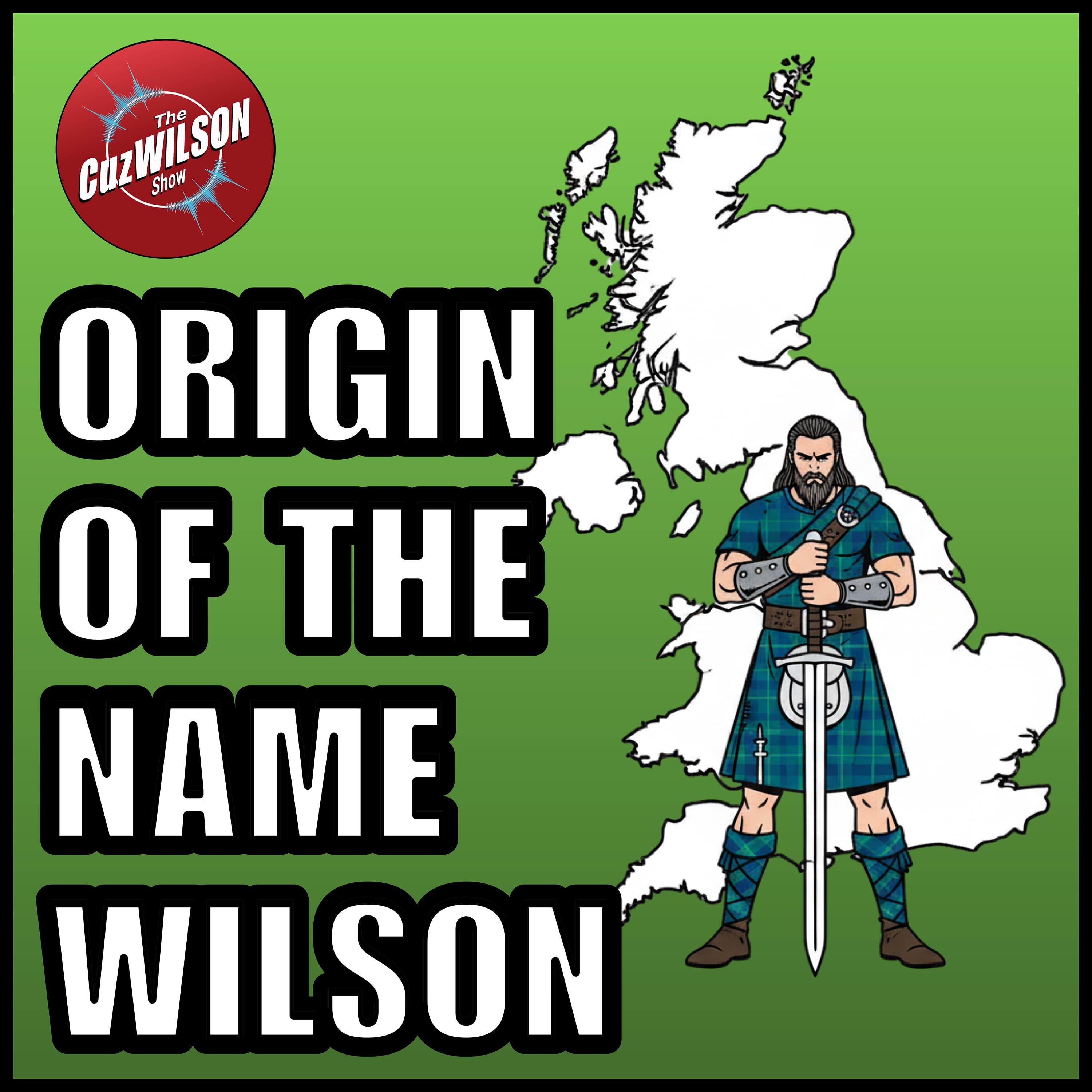
The focal point of this episode resides in an exploration of the etymological and genealogical origins of the name "Wilson," a topic of considerable intrigue. I have engaged the services of a professional genealogist, Claire Wilson, who elucidates the historical significance and lineage associated with this surname. As we navigate the narrative, we delve into the establishment of Wilson Town in central Scotland, a settlement borne from the industrious endeavors of three brothers named Wilson in the 18th century. Furthermore, we engage in a discourse regarding the broader implications of name heritage and the enduring relevance of familial connections. This episode serves not only as a deep dive into the origins of the Wilson name but also as an invitation to reflect on the intricate tapestry of our ancestral roots, compelling us to consider the stories that shape our identities today. The Cuz Wilson Show delves into the intriguing origins of the name 'Wilson,' exploring its genealogical roots and historical significance. Our discussion highlights the fascinating journey of the name from its inception to its modern-day implications. We converse with Claire Wilson, a professional genealogist, who provides insights into the name's etymology, revealing that 'Wilson' translates to 'son of Will' or 'son of William.' This episode also introduces the concept of patronymic names in Scotland, tracing the evolution of surnames from the 12th century onward, as well as the social and economic factors that influenced their adoption. Furthermore, we venture into the history of Wilson Town, a settlement established by three brothers in the 1770s, shedding light on their role in the local ironworks industry and community building during that era. The episode not only serves to educate listeners about their potential ancestry but also emphasizes the cultural connections that the name embodies.


Takeaways:
- The podcast explores the origins of the name 'Wilson' and its historical significance.
- Listeners are encouraged to engage with the subject matter, regardless of their last names.
- A genealogist named Claire Wilson discusses the importance of understanding one's roots.
- The episode highlights the enduring legacy of the Wilson family in Scotland, particularly in Wilson Town.
Companies mentioned in this episode:
- Treehouse Genealogy
- Lydia Wilson foundation
Links referenced in this episode:
- cuzwilson.com
- Clare Wilson's Treehouse Genealogy: https://www.treehousegenealogy.co.uk
- Owen Wilson's Charlie the Wonderdog: https://www.youtube.com/watch?v=xrtQ8praT9E
- Lydia Wilson Foundation: https://lydiawilsonfoundation.org
- The Sporran in front of the kilt: https://www.youtube.com/watch?v=B9xC-aiBZ-E
Speaker A
Since our podcast is all about Wilson's, you certainly talk about the origin of the name.
Speaker A
Well, I found a genealogist named Wilson who knows where our roots began.
Speaker A
Welcome to episode two of our introduction trilogy of the Cuz Wilson Show.
Speaker A
This is where we talk about people, places and and things named Wilson.
Speaker A
You know, when I tell people about this show and what I'm doing, they usually ask one or two of the following three questions.
Speaker A
Are you going to talk about the volleyball from the movie Castaway?
Speaker A
Or they ask, are you going to talk about the heritage or the origin of the name?
Speaker A
And then sometimes they ask, what made you want to start a podcast about Wilson's?
Speaker A
So I split all three of those questions into three different episodes.
Speaker A
Call the Introduction trilogy of the Cuz Wilson Show.
Speaker A
If you haven't listened to our first episode yet, please do and then hit subscribe so you'll be notified next Wilson Wednesday of our latest episode.
Speaker A
In this episode, we're going to cover the origin of the name Wilson.
Speaker A
Now, if you're not a Wilson, yeah, Stick around.
Speaker A
It's probably going to be interesting to you anyway and you'll learn a lot, I promise.
Speaker A
But.
Speaker A
But if you are Wilson, it's going to be a lot of fun.
Speaker A
For this week's People, Places and things, I've already told you who we're going to talk about for the people category.
Speaker A
And for our places category, this one's kind of different because it doesn't have the name Wilson in the town, but the town is known for a martyr named Margaret Wilson.
Speaker A
I gathered together a bunch of.
Speaker A
I gathered together several different sources from the Internet, grouped them together, going to have Mary tell us this story that is super interesting and has survived the test of time.
Speaker A
When you take your vacation and travel through Scotland, you definitely want to stop and see what this Wilson did.
Speaker A
And for the thing topic of people, places and things, we will learn about a Wilson who had a genius idea that transformed the whole garment industry back in the old days in Scotland.
Speaker A
Today, we have the privilege with speaking with Claire Wilson.
Speaker A
She's a professional genealogist based in central Scotland.
Speaker A
She studied genealogy at the university, and she would later set up her own company, Treehouse Genealogy, where she assists clients worldwide to find out more about their own Scottish roots.
Speaker A
And she says there's always a war hero or a scandal just waiting to be found.
Speaker B
Thank you so much, Kenny.
Speaker B
It's a delight to speak to you today.
Speaker B
So, yes, my name is Claire and I'm a Wilson as well.
Speaker B
I am a professional genealogist.
Speaker B
My Company is called Treehouse Genealogy and I am located in central Scotland, so just between Glasgow and Edinburgh.
Speaker B
I help clients worldwide to explore their British roots, especially those that have Scottish ancestry.
Speaker B
And I also specialise in Commonwealth Air Force research as well.
Speaker B
So I've got a variety of services, everything from full family trees to single ancestor studies.
Speaker B
A bit of document retrieval.
Speaker B
I might need to dig about in the archives for someone planning ancestral tours, which a lot of people from across the Ponds love to do.
Speaker B
They love to.
Speaker A
That's on my bucket list.
Speaker A
I want to go.
Speaker A
I've never been to Scotland and I definitely want to go.
Speaker B
I've done that for quite a few clients, sort of looking into the research and then sort of planning places they might want to visit during their trip.
Speaker A
Good.
Speaker B
And then also brick walls.
Speaker B
So, you know, if someone gets a bit stuck with their research and they need a bit of a helping hand, you know, I can step in and just help with that bit of research.
Speaker B
And I would say that a lot of my.
Speaker B
A huge part of my clients actually come from America, Canada, Australia, New Zealand, really, Because the Scots were so mobile.
Speaker A
Yeah.
Speaker B
You know, they made the world their home.
Speaker B
So, you know, the descendants of those Scottish people want to find out and, yeah, come to me companies, it tends to be more people, like, you know, lawyers that are tracing wills that perhaps come for a bit of research.
Speaker B
So I would say the majority is, you know, individual clients.
Speaker A
So we're going to talk about all kinds of things in the realm that you live in and work in and your.
Speaker A
It's your company.
Speaker A
I frankly don't remember how I found you, other than I was looking for.
Speaker A
I did a search for Scotland and genealogy and it had several people, but, hey, there's one named Wilson.
Speaker A
And that's what's exciting about what we're doing, is we're helping people to learn about their background.
Speaker A
But when you see a street sign that says Wilson, or you see a truck that has Wilson on the side of the product they sell, it just touches you.
Speaker A
But this, what we're talking about today is, is for the people, like what happened to me, I got hooked on learning the history and I really want to delve deep into it and what you're talking about having a tour, giving us a guided tour.
Speaker A
When I go to Scotland, I'll know how to get to Wilson Town and why do I want to see Wilson Town and what happened there.
Speaker B
So.
Speaker B
Yeah, well, you mentioned Wilson Town, so, you know, what better place to start?
Speaker B
So Wilson Town, I think it was formed around about the 1770s, and it's in central Scotland, not too far from where I live in central Scotland.
Speaker B
And it was established by three brothers who were all called Wilson.
Speaker B
So you had John, William and Robert Wilson.
Speaker B
And the Wilsons actually owned land in that area.
Speaker B
And when they started up the ironworks, they needed housing for their workers.
Speaker B
So they set up this little village which had housing, eventually schools for the children.
Speaker B
And that's where the workers were housed that worked in the ironworks.
Speaker A
How about that?
Speaker B
You know, and it became a community sort of from the ground up after that.
Speaker A
That's cool.
Speaker A
So.
Speaker A
So they were already named Wilson when they started the ironworks business and.
Speaker A
Or formed the town.
Speaker A
Is that correct?
Speaker B
Yeah.
Speaker B
And they named it Wilson Town.
Speaker A
So how did they come up with.
Speaker A
Were there.
Speaker A
Who was their.
Speaker A
Was their dad or parents?
Speaker A
The first Wilsons.
Speaker B
There were landowners in that area, you know, their father and.
Speaker B
Yeah, landowners in that area.
Speaker B
So they had extra land with starting up the ironworks.
Speaker B
It's quite rural the area.
Speaker B
So they had to try and find somewhere for the workers.
Speaker B
Because in those days you didn't have cars, you know, the same as what we do now.
Speaker B
So a lot of the time people, you know, people didn't have horses and cars even, you know, wow.
Speaker B
It was only the wealthy that maybe would have horse and car.
Speaker B
So they would have to walk to work.
Speaker B
So it made sense for them to.
Speaker B
To build housing for the workers so that they could get to the workplace or the company would have failed otherwise.
Speaker B
So, yeah, Wilson Town is.
Speaker B
It's still, you know, a little kind of village or town.
Speaker B
The ironworks have gone as now private residencies.
Speaker B
And I would say that the area is now a bit more associated with forestry.
Speaker B
So there's a lot of forestry in the area and, you know, tree failing.
Speaker B
But I mean, the name still reflects that Wilson heritage and cool.
Speaker B
You know, and where it came from, which is pretty amazing.
Speaker A
So there's still a town that has a sign that says Wilson Town or whatever does.
Speaker A
Do you have populations on your signs like we do?
Speaker A
Sometimes we'll have Wilsonville, population 214 or something.
Speaker B
Not so much.
Speaker B
Not so much.
Speaker B
But I probably could find out and let you know.
Speaker A
It's not that important.
Speaker A
But I just.
Speaker A
I was just visualizing if I wanted to visit it, I would stay in Edinburgh at a hotel or something like that.
Speaker A
And then I would take a short drive.
Speaker A
It'd be what, an hour away or something?
Speaker B
Yeah, yeah, about that.
Speaker A
What about the Wilson name?
Speaker A
And is son of Will or son of William or what is it?
Speaker B
As One not argument, but it's one of those debates that, you know, you hear a lot of people, they always think if your name's Wilson, we all have to be related.
Speaker B
Which is just not the case.
Speaker A
Oh, okay.
Speaker B
Surnames in Scotland were adopted around about the 12th century, especially among the upper classes.
Speaker B
And over time the surnames became more widely used as a way of distinguishing people, you know, from person to person.
Speaker B
And a lot of it related to tax, you know, and getting taxes and it's always about money.
Speaker A
Sure.
Speaker A
That was in Babel days.
Speaker B
I mean, there were sort of remote area, remote areas, you know, in the northern miles and parts of the Highlands that surnames really weren't commonly used until even the 18th and 19th centuries.
Speaker A
Understand that there's a family called Gun that might have some Wilson roots.
Speaker B
Yeah.
Speaker B
So I mean, the Wilson name is what they would call a patronomic name, a relational name.
Speaker B
So these are based on the parents name and I'll give you a couple of examples.
Speaker B
When you think of the surname Mackenzie, that means son of Canis.
Speaker C
Oh, really?
Speaker A
And that's my name.
Speaker B
Yeah.
Speaker B
So when you think of Wilson, Wilson is actually son of Will or William.
Speaker A
Either one.
Speaker B
Yeah.
Speaker B
And I mean, they say that it's one of those names that was sort of introduced in Britain by William the Conqueror.
Speaker A
As I was doing research, I saw one with Wilson with the E on the end.
Speaker A
Can you tell me that?
Speaker A
What's.
Speaker A
What happens in the spellings?
Speaker B
I mean, to give you an example, I was doing research in Ireland for a client who the relative was called of all names, James Bond.
Speaker B
Okay.
Speaker B
Couldn't write it, could you?
Speaker B
James Bond.
Speaker B
Could I find a birth record for James Bond?
Speaker B
No.
Speaker B
Eventually I did find it with a lot of persistence.
Speaker B
The surname was actually spelt Bon, B, A, W, N. Oh.
Speaker B
And then when I really thought about it, I thought, you know, I could see this official saying, and what's your name?
Speaker B
And this Irish guy saying, james Bon.
Speaker B
Oh, so when you say it with an Irish accent, Bond doesn't sound like Bond, it sounds more like Bon.
Speaker A
Yeah.
Speaker B
So yeah, I could see how things could be picked up and spelled differently.
Speaker B
And if you then end up with a piece of paper that has your child's birth and that's how the officials written it, because you can't read or write, you perhaps show that to other people and that's the way that your spelling of your name would become.
Speaker A
Now why did, why is it popular for Wilson's to have 1L instead of 2 when I have to admit that that Wilson with 2L's makes more sense if it's son of William.
Speaker B
Yeah, yeah, it does.
Speaker B
Maybe that was the original one.
Speaker A
Yeah, it might have been.
Speaker B
Maybe it was, but, yeah, I mean, it's all just down to officials and the way things were spelled.
Speaker B
And, you know, back in the days when people couldn't spell too good, you see a lot of different variants, you know, with the E with two Ls.
Speaker B
You know, sometimes I've seen it with an I in there somewhere, like Willison as well, which could be a variant of Wilson.
Speaker A
I've seen that.
Speaker B
Yeah.
Speaker A
What about Wilson Town?
Speaker A
Is it one L or two?
Speaker B
It's one.
Speaker B
It's one L. It's one, yeah, yeah.
Speaker B
So if you're abroad and you're in America and your name's Wilson and you want to find out, you know, where are my Wilsons from?
Speaker B
There are two ways that you can sort of look at it.
Speaker B
The first way would be through traditional research.
Speaker B
You know, build your family tree.
Speaker B
If you're outside of the uk, I always say to clients in America, look for the earliest known settler ancestor that was in America.
Speaker B
So go back on your family tree, look at your grandfather, your great grandfather, and find the that ancestor that was the one who initially settled in America.
Speaker B
But I always say to people, if, for instance, you know, your ancestors settled in, say, Pennsylvania, you know, go to the town in Pennsylvania that they originally settled and go to the local library or the local records office and try and see if there are any records relating to early settlers or, you know, if there were later settlers, what records exist that might tell you more about them and potentially where they came from.
Speaker B
Was it Scotland, Was it Ireland?
Speaker B
So sometimes people are so eager to just delve into the research and say, I need to look in Scotland, but that piece of information might be in the archives or the library in America.
Speaker B
So, yeah, go looking for that first.
Speaker B
So, yeah, I mean, there's, there's traditional research, but then also DNA testing.
Speaker B
I don't specialize in any way in DNA test.
Speaker B
I have tested my own DNA.
Speaker B
It can reveal geographical regions that you came from.
Speaker B
So it compares your.
Speaker B
Your test with everyone else in the database.
Speaker B
And some of them are pretty accurate.
Speaker B
You know, the ancestry one, not throwing anything out there, but the one that I had done for ancestry, really looking at the research that I've done can pinpoint, you know, this whole batch of family within central Scotland, which my paternal family are nearly all from.
Speaker B
So, you know, yes, it is pretty accurate, but it also gives you the chance to connect with people who are DNA matches, work with them to try and compare what research they've done and what research you've done yourself.
Speaker B
But I would always say if you do match with someone, go away and check things yourself because you don't know what the other person's research skills are like.
Speaker B
And always double check what information you can.
Speaker B
I think maybe it's a good point just now, really, to sort of talk about the Internet.
Speaker B
I mean, the Internet only has a fraction of what you might need when you do research, so.
Speaker A
Really?
Speaker B
Yeah.
Speaker B
I mean, we're all familiar with the big subscription websites that, you know, 100 bucks or whatever offers every year to be able to search, but they actually average that there's somewhere between 10 and 20% of genealogical records are actually online.
Speaker B
That is between the subscription websites and what's available on archives and record office sites to search online.
Speaker B
So that means the rest of it is still setting in physical format within archives and libraries to be searched.
Speaker A
That's incredible.
Speaker A
So you can really find either more accurate and.
Speaker A
Or more stories or.
Speaker A
Or more histories.
Speaker B
So.
Speaker B
Yeah, I mean, there aren't a lot.
Speaker B
You know, I think everyone thinks that you sign up to these genealogical websites and you're going to find everything on it.
Speaker B
A lot of the Scottish records in particular have been transcribed, so you don't see the actual copy of the record.
Speaker B
You only have the name, the place and the date.
Speaker A
Okay.
Speaker B
And the hazard with that is that the original record potentially has a lot more information.
Speaker C
Wow.
Speaker B
So if you think of, you know, a baptism or a marriage within church registers, you might only get on their entry a typed out name, date, place.
Speaker B
But if you check the original record, you might have whereabouts they lived within that place, what occupations were.
Speaker B
You might even have witnesses who, you know, who were God's parents at that baptism.
Speaker B
So there's a lot more information can be found within the original records as well.
Speaker A
Were there any big battles that were famous between Wilson's and somebody else?
Speaker B
Not that I know of.
Speaker B
But I know that the, the Wilsons that had the tartan, that designed all the tartan, they actually were from a place called Bannockburn, which is if you've ever watched Braveheart and you know, William Wallace and you know, that's Bannock.
Speaker B
The Battle of Bannockburn.
Speaker B
So they came from that area.
Speaker A
Well, Claire, I just want to.
Speaker A
I want to thank you for taking your time away from your research and allowing me to interview you.
Speaker A
And I'm so excited to have you on one of our early episodes of the Cuz Wilson Show.
Speaker A
And it's been really pleasure.
Speaker A
I've learned a lot already.
Speaker A
And now you're.
Speaker A
Now I really want to come meet you in person.
Speaker B
I know.
Speaker B
How cool would that be?
Speaker B
I'm so excited.
Speaker A
Good, good.
Speaker A
I'm glad.
Speaker A
Well, you know, I'm hoping that other people of our listeners will find in various episodes will take something they hear and go down a rabbit trail, go down a road and get in their car or get in a plane and go to some really interesting places named Wilson and meet some fantastic people named Wilson.
Speaker A
And that is something I'm really excited about.
Speaker A
Claire, thank you so much.
Speaker B
You're welcome.
Speaker B
You're welcome.
Speaker B
Thanks, kid.
Speaker A
If you need a little help completing your research on your heritage, contact Claire.
Speaker A
She offers a free consultation to discuss your research requirements.
Speaker A
Her contact information is in the show notes@cuz wilson.com.
Speaker A
okay, now I have a question for you.
Speaker A
If you listen to this episode and you're from Scotland, I want you to send us a recipe for some traditional Scottish foods like neeps, tatties, cullen skink or scotch broth or stovies.
Speaker A
Of course, I don't have a clue what any of those are, but you know what?
Speaker A
We'll add it to our Cuz Crunch place and.
Speaker A
And you find that under the More tab at the top of our website menu.
Speaker A
Claire has already done her part, so why don't you just help us out a little bit and add to the fun.
Speaker A
And now it's time for the places category.
Speaker A
What we're going to talk about next is the Wigtown Martyrs.
Speaker A
I haven't heard of it, but many of you have.
Speaker A
This took place in Scotland and even though the town doesn't have Wilson in the name, it's got two different monuments for a young girl named Wilson.
Speaker A
I gathered up some sources and I grouped them together.
Speaker A
So notebooklms Mary to give us a synopsis on this incredible story.
Speaker C
So we've got a really fascinating stack of sources.
Speaker C
Today we're looking at Wigtown Scotland.
Speaker D
The National Booktown.
Speaker C
Exactly.
Speaker C
Modern travel guides paint this picture of a charming place with, you know, bookshops and a scenic path called Lover's Walk.
Speaker D
But that's where it gets interesting because that same walk, it leads you somewhere.
Speaker C
Much, much darker, to the martyr stake.
Speaker C
We're contrasting that pleasant modern image with some incredibly grim 17th century historical records.
Speaker D
We are jumping right into the killing times, Specifically a single event in 1685 that tells you everything you need to know about that era.
Speaker C
And to really get 1685, we have to talk about the Covenanters.
Speaker C
I mean, from the research, calling this a religious disagreement feels like a huge understatement.
Speaker C
This was a constitutional crisis, wasn't it?
Speaker D
Absolutely.
Speaker D
It was a power struggle over the very soul of Scotland.
Speaker D
You had the Stuart kings, Charles ii, then James vii, and they demanded to be seen as the supreme head of the Church.
Speaker C
And the Covenanters, who were these, these staunch Presbyterians, they just weren't having it, not at all.
Speaker D
For them, only Christ could be head of the Church.
Speaker D
So to say otherwise wasn't just wrong, it was blasphemy.
Speaker C
So it moves from theology to treason.
Speaker D
Precisely.
Speaker D
If you refuse to accept the King's authority over the Church, you were an enemy of the state.
Speaker D
And the government created a tool for this, something called the Oath of Abjuration.
Speaker C
A loyalty test, basically, like a deadly one.
Speaker D
Soldiers could stop you on the road and demand you swear this oath.
Speaker D
If you refused, they could execute you right there on the spot.
Speaker C
Which brings us to wigtown and the two Margarets.
Speaker C
Margaret McLaughlin, who was 63, a widow.
Speaker D
And Margaret Wilson, just 18 years old.
Speaker C
And the family dynamic here is just heartbreaking.
Speaker C
The sources say her father, Gilbert Wilson, actually went to the King's church.
Speaker D
He was an Episcopalian, he was, but his children weren't.
Speaker D
And that tore the family apart.
Speaker D
I mean, think about his younger daughter, Agnes.
Speaker C
She was only 13 and she was arrested with them.
Speaker D
Can you imagine?
Speaker D
Gilbert Wilson managed to save her, but it cost him £100, which was a fortune.
Speaker D
In 1685, it effectively bankrupted him.
Speaker D
He bought his 13 year old's life, but he couldn't save his 18 year old, Margaret.
Speaker D
She and the older Margaret McLaughlin both refused the oath.
Speaker C
So May 11, 1685, they're taken down to the mud flats of the River Blodnaugh.
Speaker C
And the method of execution, it was specifically for women.
Speaker D
It was a terror tactic.
Speaker D
They were tied to stakes in the mud, left for the rising tide of the Solway Firth to drown them.
Speaker C
But the cruelty was in the details, wasn't it?
Speaker C
They placed them strategically.
Speaker D
They did.
Speaker D
They put the older woman, Margaret McLaughlin, further out in the Channel so Margaret.
Speaker C
Wilson, the 18 year old, would be forced to watch her die first.
Speaker D
That was the whole psychological game.
Speaker D
Watch your friends struggle, listen to her drown and maybe, maybe you'll break and take the oath.
Speaker C
But it just completely backfired.
Speaker C
The accounts say she was defiant, utterly.
Speaker D
Instead of panicking, she started to sing Psalm 25.
Speaker D
She read from the Bible and when the soldiers, you know, taunted her, pointing at her friend's body, asking, what do you see there?
Speaker C
Her response was incredible.
Speaker C
I see Christ wrestling there.
Speaker D
Exactly.
Speaker D
She refused to save herself.
Speaker D
A complete rejection of their power.
Speaker D
Both women died that day.
Speaker C
It's just.
Speaker C
It's brutal.
Speaker C
But then the story takes a strange turn, historically speaking.
Speaker C
In the 19th century, a historian tried to claim it never even happened.
Speaker D
Yeah, Mark Napier, he was a big defender of the Stuart kings.
Speaker D
He argued the whole thing was a myth, that the women were reprieved.
Speaker D
It caused a massive scandal in the Victorian era.
Speaker C
But other records proved him wrong.
Speaker D
Oh, yes, local church records and other documents completely vindicated the story.
Speaker D
The execution was very real.
Speaker C
And speaking of the Victorians, they had a very.
Speaker C
Well, a very complicated relationship with this story.
Speaker C
They loved it, but they also sort of romanticized it.
Speaker D
That's the perfect word for it.
Speaker D
You see it in the famous painting by John Everett Millais, the Martyr of.
Speaker C
The Solway, right, where Margaret Wilson looks less like a drowning victim and more like a.
Speaker C
A beautiful damsel with perfect red hair.
Speaker D
It completely sanitizes it.
Speaker D
The same goes for that monument in Sterling, the one with the glass dome.
Speaker D
It protects the statues of the women.
Speaker D
Turns a gritty, muddy, white, horrible execution into this serene, almost holy moment.
Speaker C
So you're left with this jarring contrast.
Speaker C
You have the reality, the graves in the Wigtown churchyard, the stone pillar that now marks the spot in the mud.
Speaker C
And then you have these beautiful, tragic oil paintings.
Speaker D
It really makes you wonder, doesn't it, when we turn a real tragedy into art, are we actually honoring the victims or are we just making the horror palatable for ourselves?
Speaker C
That's a powerful thought to end on.
Speaker C
It shows that even a quiet walk in a book town can be standing on top of some really brutal history.
Speaker C
Thanks for listening to the Deep Dive.
Speaker D
See you next time.
Speaker A
Thank you, Larry and Mary, for that journey into the past.
Speaker A
But before we go on to the thing topic, I want to direct your attention to one of the nonprofit organizations that we support from the sales of personalized Cuz Merch.
Speaker A
It is the Lydia Wilson foundation, and they happen to be from Scotland.
Speaker A
They help people in need in the UK and other parts of the world, like Nigeria and Ukraine, and.
Speaker A
And we kind of know how dangerous those places are right now.
Speaker A
You can find them by scrolling down a little bit on our homepage and clicking Cuz Merch.
Speaker A
And then when you go to that page, scroll down a little bit and you'll find their information and the logo.
Speaker A
Click on that logo and it will take you to their website.
Speaker A
And I reviewed that website a little bit, and it's pretty amazing what they've done recently.
Speaker A
For our Thing topic.
Speaker A
You'll certainly recognize the product in focus, but it was a Wilson that made it personal, and that turned into a symbol of Scottish heritage.
Speaker A
And it's worn all over the world.
Speaker C
The kilt, you think, you know, like the one from Braveheart, is pretty much a historical invention.
Speaker D
Oh, absolutely.
Speaker C
That movie, he shows 13th century Scots in these full kilted garments that, well, they just didn't exist yet.
Speaker C
So today we're doing a deep dive into the real timeline of Highland dress.
Speaker D
Right.
Speaker D
Our mission is to get you past that popular image.
Speaker D
If we go back a thousand years, the actual Gaelic dress was much, much simpler.
Speaker D
Highland men wore a long tunic, a shirt called a Lenin.
Speaker D
It was often dyed this vibrant saffron color, and over that, they'd wear a big woolen mantle.
Speaker D
In Scotland, they called it a plaid.
Speaker C
So wait, tartan cloth did exist, but they were wearing it more like a big blanket or a toga, not a pleated kilt.
Speaker D
Precisely.
Speaker D
We have archaeological finds of tartan fabric from the third or fourth century, but it was that large, untailored woolen plaid, the mantle, that started the whole evolution.
Speaker C
That big shawl is really the grandfather of the kilt.
Speaker C
That moves us into the era of the belted plaid.
Speaker D
Exactly.
Speaker D
By the late 16th century, these wraps, they get massive.
Speaker D
We're talking four to six yards of fabric.
Speaker D
This was the Filade Moore, the Great Wrap.
Speaker C
How would that even work?
Speaker D
You'd lay the whole cloth on the ground, gather it into folds, lie down on it, and then strap a belt around your waist.
Speaker D
The rest of it just got tossed over your shoulder.
Speaker C
And the first time we see this written down comes from a surprising place, right?
Speaker D
It really does.
Speaker D
The earliest definite record we have is from an Irish Gaelic Source, 1594.
Speaker D
It describes Scottish mercenaries who stood out because they wore their belts outside their mantles.
Speaker C
Just that one detail, that simple detail.
Speaker D
Defined the whole look.
Speaker C
So if the Great Wrap was so useful, why on earth did they end up cutting it in half?
Speaker C
That brings us to the filibag, the little wrap.
Speaker D
It was just convenience, really.
Speaker D
The Great Wrap was heavy, it was cumbersome, and, you know, incredibly hot.
Speaker D
The filibag was just the bottom half, still untailored.
Speaker D
Still untailored, still gathered, but much smaller.
Speaker D
It was just a logical step for practical movement.
Speaker C
But I've always heard this story about an Englishman, Thomas Rawlinson, around 1730, inventing the small kilt for his factory workers.
Speaker B
Ah, yes.
Speaker D
That is probably the most delightful myth of them all.
Speaker C
So it's not true.
Speaker D
Well, he certainly popularized it, but the evidence we have suggests the filibeg was already in use for decades before him.
Speaker D
He didn't invent it.
Speaker D
He just gave it a great marketing boost.
Speaker C
Okay, so next up, the military gets involved.
Speaker C
What makes a kilt modern, and when does that happen?
Speaker D
The modern tailored kilt has one crucial difference.
Speaker D
The pleats are actually sewn down.
Speaker A
Ah.
Speaker D
And that change first appeared in the British military around the 1790s, initially with box pleating because they needed standardization for uniforms.
Speaker C
And this is also where that 8 yard minimum myth comes from, isn't it?
Speaker C
Because of aligning the pattern across the pleats it is.
Speaker D
Pleading to set, as it's called, is incredibly fabric hungry.
Speaker D
You need a ton of yardage just to make the pattern line up perfectly.
Speaker D
Today's civilization, civilian kilts use anywhere from 6 to 10 yards.
Speaker D
It all depends on the tartan's pattern.
Speaker D
Repeat.
Speaker D
Not some fixed roll.
Speaker C
Okay, let's get to the big one.
Speaker C
The clan.
Speaker C
Was tartan really a way for ancient clans to identify each other?
Speaker D
Not even close.
Speaker D
Before industrialization, tartan was an art form.
Speaker D
It was all hand woven.
Speaker D
The colors, the designs, they just depended on what local dyes were available and whatever the weaver felt like creating.
Speaker C
So there were no rules about who could wear what?
Speaker D
None at all.
Speaker C
So who started this whole system?
Speaker D
That would be William Wilson and Sons of Bannockburn.
Speaker D
They were the first big commercial producer in the mid 18th century.
Speaker D
They had to standardize patterns for military orders, so they started numbering them.
Speaker D
Then they realized that naming them first after towns and then families was a fantastic way to sell more to civilians.
Speaker C
Wait a minute.
Speaker C
So you're telling me the entire clan tartan tradition we have today is basically from a fabric company's 19th century sales strategy?
Speaker D
That commercial drive, combined with the whole romantic movement, solidified it.
Speaker D
Clan chiefs who'd lost political power could now at least brand their clan.
Speaker D
And that's how we ended up with over 7,000 named tartans today.
Speaker C
So just to recap for you, the kilt evolved from a simple mantle to a huge wrap and finally became the tailored garment we know in the late 18th century.
Speaker C
And the clan tartan system is a surprisingly modern invention, which brings up a.
Speaker D
Really interesting question for you.
Speaker D
Most people today feel like they have to wear a tartan connected to their family name.
Speaker D
But knowing the real history, what's the most traditional choice you can actually make?
Speaker C
Given that highlanders originally just picked patterns based on what was available or what they liked the look of, the most traditional thing you can do is just choose the tartan you find most appealing.
Speaker A
Thank you, Larry and Mary.
Speaker A
Well, I wanted to know what that pouch was that is hanging down in front of the kilt.
Speaker A
I didn't know the name of it and pretty much didn't know what it was used for.
Speaker A
So I did a little bit of research.
Speaker A
And since traditional kilts don't have pockets, the Sporin was developed as an accessory to hold essentials like money or keys.
Speaker A
I bet they needed a place to put their debit cards because they probably had vending machines on the side of their battlefield so they could go buy some more arrows or something and they probably didn't.
Speaker A
I'll put a link in the show notes for a video of two Scots describing the Sporin and it's very interesting because there's different types of sporrans worn depending on the occasion.
Speaker A
There's a day Sporin a semi dress Sporin a dress up Sporin a horsehair Sporin okay, this is the Cuz Buzz section for Wilson's in the News within the last week.
Speaker A
Owen Wilson stars in a new animated movie called Charlie the Wonder Dog.
Speaker A
It was released on January 16th in theaters and that was less than a week ago.
Speaker A
I put a link in our show notes for the trailer.
Speaker A
It looks pretty fun to me.
Speaker A
In sports, we keep the focus on the UK with professional snooker player Kyron Wilson.
Speaker A
He etched his name into snooker history by capturing his maiden master's title in a dramatic final at London's Alexandra palace on January 18 just a couple days ago.
Speaker A
That was so nice of him to make the headlines just in time for my episode about Wilson's in the uk.
Speaker A
And of course there'll be more winning Wilson's in our free Cuz Buzz newsletter, so be sure and sign up for that one@cuzwilson.com and last week instead of having the Wilsons in sports, I made a document for the winning Wilson's of 2025 and boy it's a big one.
Speaker A
So make sure you go back to the homepage and click the trophy and that will take you to that list.
Speaker A
And I probably didn't even get 75% of the ones on that.
Speaker A
I should have been on the list.
Speaker A
Let me know if I missed you or your friends accomplishment and I'll put them on the list too.
Speaker A
And we'll keep that building for a few months.
Speaker A
Uncle Willie asked me, do you know what kind of fish the Scottish knights would eat just before they went into battle?
Speaker A
They ate swordfish.
Speaker A
If you want, you can help by recording your own Uncle Willie joke by clicking on the microphone at the bottom right of our homepage and and I might play it in a future episode.
Speaker A
Next week will be the third episode in the introduction trilogy and I will answer the question what made you want to start a podcast?
Speaker A
I'll interview the talented Wilson, who is the inspiration for my quest of Wilson knowledge and the reason for the Cuz Wilson Show.
Speaker A
So that's it for today's episode.
Speaker A
Thank you for following along and remember to share this with all your friends and family named Wilson and anybody else that might want to learn some interesting history.
Speaker A
See you Cuz.
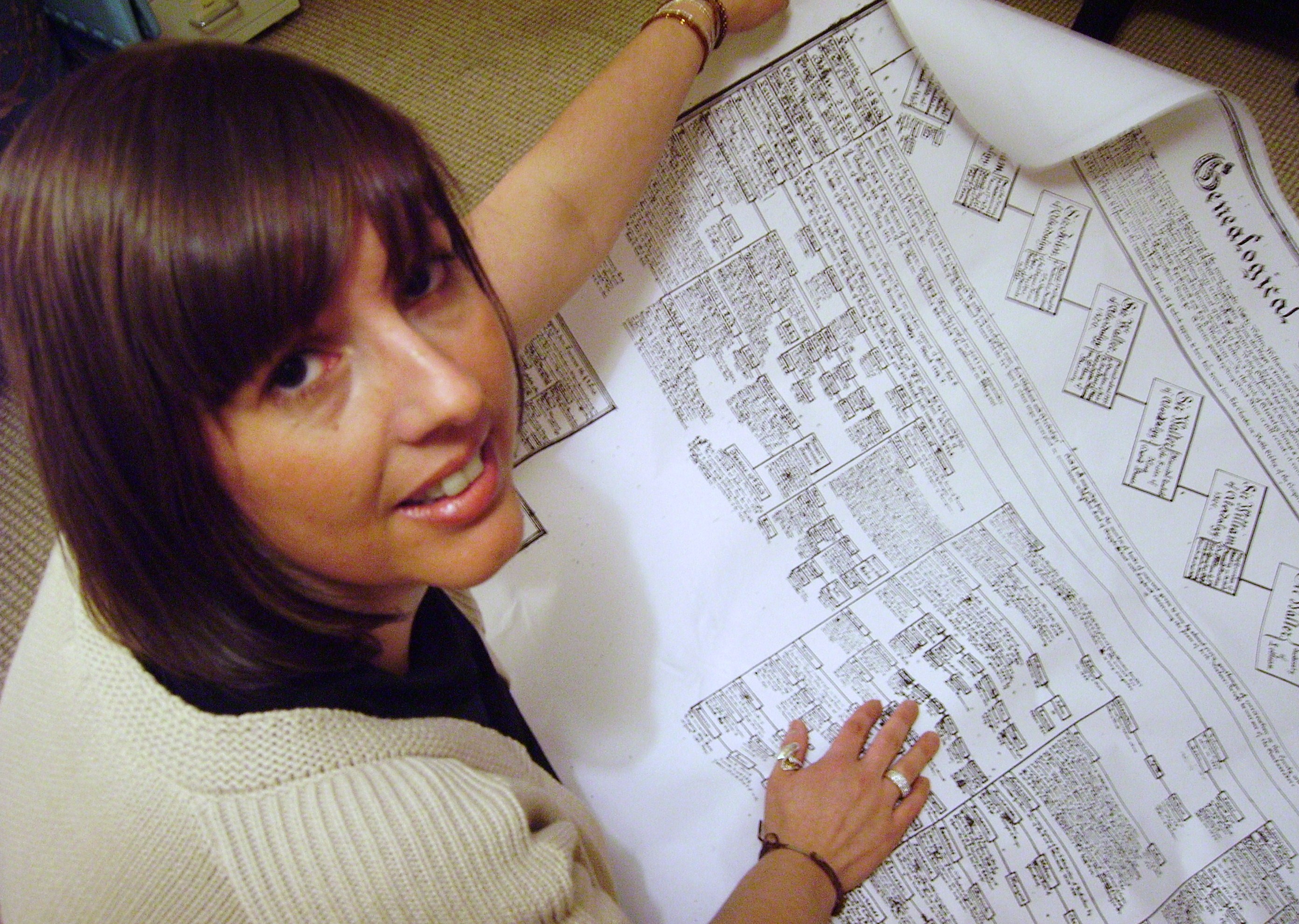
Professional Genealogist - Owner of Treehouse Genealogy
Clare Wilson is a Professional Genealogist based in Central Scotland. Having Studied Genealogy at Strathclyde University she would later set up her company 'Treehouse Genealogy' where she assists clients worldwide to find out more about their own Scottish Roots. She also offers an initial 'free' consultation to discuss your research requirements ahead of sending a research proposal.
Clare loves how each clients research is different, she says that there is always a war hero or scandal just waiting to be found.
Based in North Lanarkshire, Scotland